Chicago high-rise kitchens are their own category. Between elevator reservations, HOA rules, tight clearances, and limited staging space, the “easy” part is choosing cabinet finishes. The hard part is making the whole project run smoothly—without surprises.
Quick answer: The best high-rise kitchen remodels start with building logistics (COI, delivery windows, elevator scheduling) before you order cabinets. Design-wise, frameless cabinetry, full-height storage, and integrated lighting are the go-to moves for 2026 because they maximize space and keep the room visually calm.
Still building your budget? Start here: Custom Kitchen Cabinets Cost in Chicago (2026).
This guide is written for Chicago condo owners and high-rise residents—from River North and Streeterville to the West Loop and South Loop—plus anyone remodeling an apartment kitchen where space and rules matter.
In this guide:
- High-rise building checklist (ask these first)
- Layouts that work best in condos
- Cabinet design moves that make small kitchens feel larger
- Delivery + installation planning
- 2026 high-rise kitchen style direction
- How Sebior designs high-rise kitchens in Chicago
- FAQ
High-rise building checklist (ask these questions first)
Before you demo a single cabinet, get clear answers from your building/HOA. Every building is different, but these questions are common:
- COI requirements: Do contractors need a Certificate of Insurance? Are there minimum limits or additional insured language?
- Work hours: What are the approved construction hours (weekday/weekend)?
- Elevator reservations: Is there a service elevator? How far in advance do you reserve it?
- Protection requirements: Do hallways/elevators require floor protection, wall padding, or corner guards?
- Delivery rules: Can materials be staged in a loading dock? Are there time windows?
- Debris removal: Is there a designated chute, dumpster, or haul-away protocol?
- Parking/loading: Where can a delivery truck park? Do you need permits or loading passes?
- Noise + dust controls: Are there rules for cutting on-site, HEPA filtration, or negative-air setups?
- Utility shutoffs: If you’re moving plumbing/electrical, how are shutoffs scheduled?
Pro tip: Put these answers in writing (email is fine). In a high-rise, a missed elevator reservation can delay an entire week.
Condo kitchen layouts that work in Chicago
Many Chicago high-rise kitchens fall into one of these footprints:
1) Galley kitchens
Great for workflow, but storage and lighting need to be dialed in. Focus on:
- Full-height pantry cabinets (even a narrow one helps)
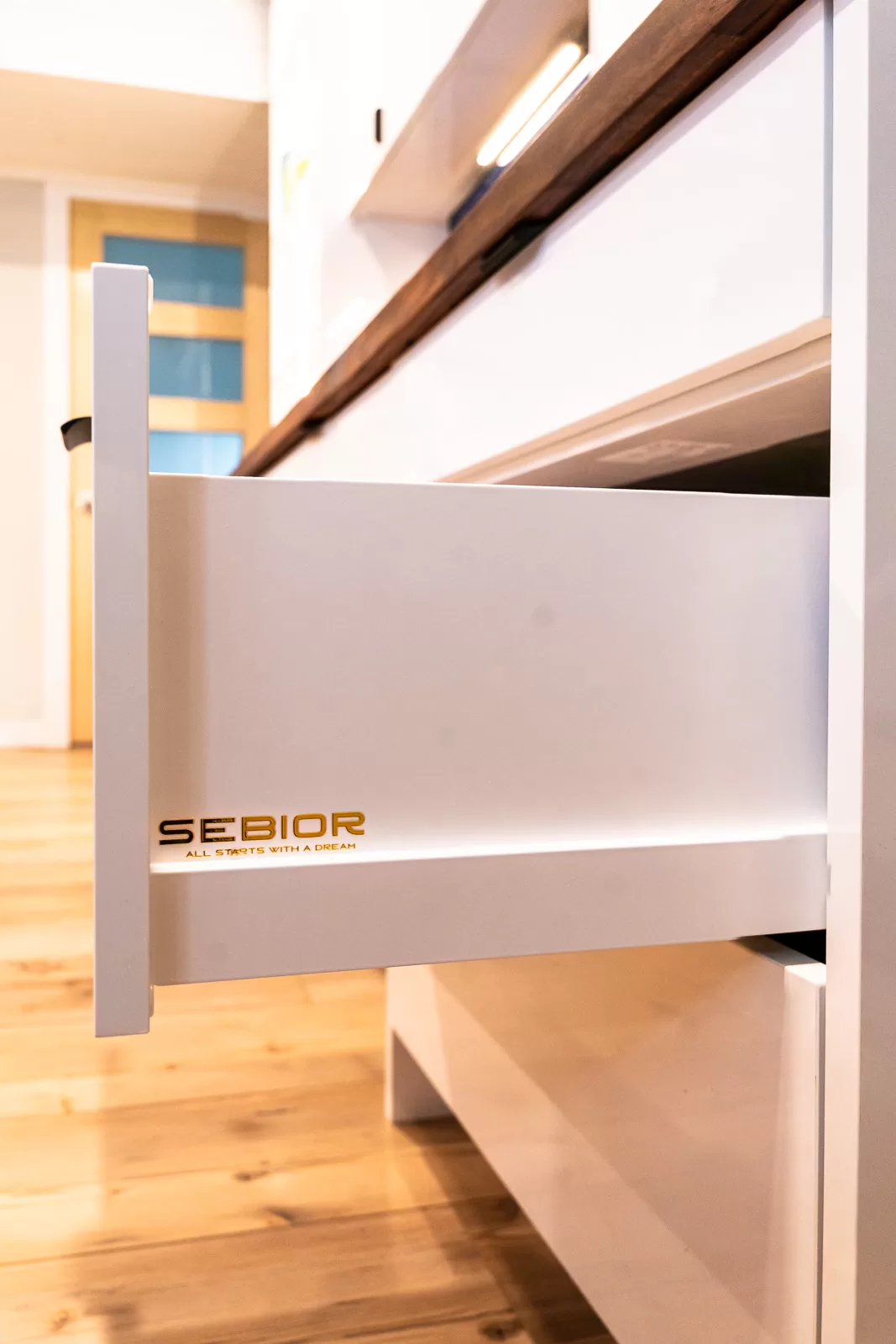
- Deep drawers instead of lower doors (better access)
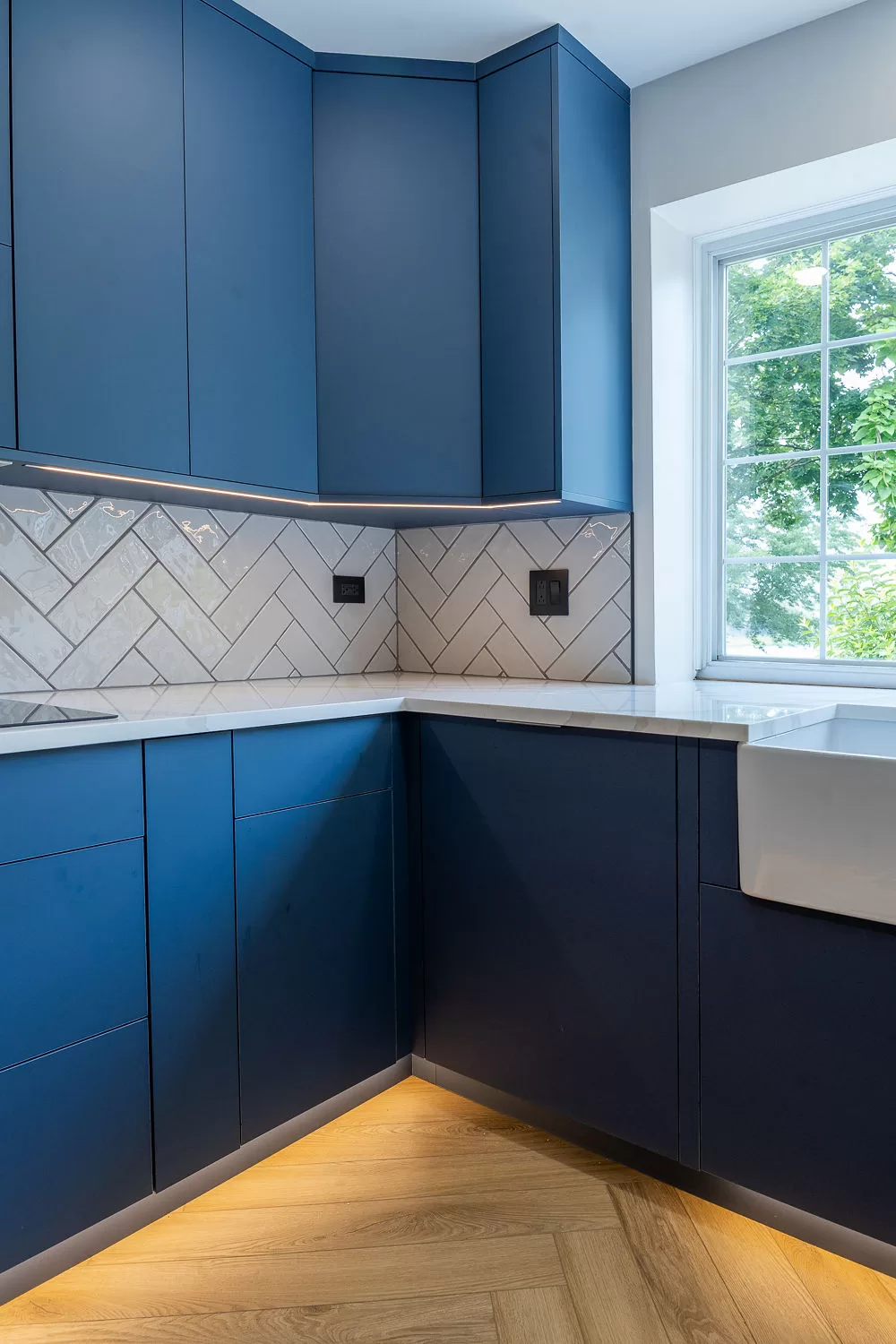
- Under-cabinet + toe-kick lighting for “floating” openness
2) Single-wall kitchens
Common in smaller condos and studios. The key is making one wall feel intentional, not like a kitchenette.
- Panel-ready appliances for a seamless front
- One “hero” finish (wood veneer, matte paint, or a mixed-material approach)
- Upper cabinets to the ceiling to eliminate dust ledges and add storage
3) L-shaped kitchens (often with a small peninsula)
This is the sweet spot for many modern condos—especially if you entertain.
- Prioritize the corner cabinet solution (it’s where space disappears)
- Consider a built-in beverage/coffee zone to keep the main counter clear
For corner cabinet ideas, see: Modern Kitchen Corner Solutions.
Cabinet design moves that make small kitchens feel bigger
Frameless cabinetry (European-style)
Frameless cabinets maximize usable storage and create clean, modern lines—especially valuable in condo kitchens. If you’re comparing framed vs. frameless, start here: The Hidden Genius of Frameless Cabinets.
Full-height cabinets
Floor-to-ceiling cabinetry creates a built-in architectural look and adds storage for items you don’t need daily. More on that trend: How Floor-to-Ceiling Cabinets Are Changing Kitchen Design.
Integrated lighting (not “aftermarket” strips)
In smaller kitchens, lighting is what makes everything feel crisp and intentional. Under-cabinet lighting, toe-kick lighting, and vertical pantry lighting are the three biggest upgrades for high-rise kitchens.
Need placement ideas? Read our LED lighting placement guide.
Hidden storage details
Condo kitchens don’t have the luxury of “junk drawers everywhere.” Hidden storage keeps counters clean:
- Dual trash/recycling pull-outs
- Tray dividers near the oven
- Toe-kick drawers for flat items (kick drawer guide)
Delivery + installation planning (so nothing gets stuck in the lobby)
Here’s a high-rise-friendly sequence that prevents chaos:
- Finalize appliances early. Panel-ready fronts and exact specs should be chosen before cabinet drawings are locked.
- Confirm building rules + reserve elevators. Align delivery and install dates with approved building windows.
- Measure twice (then verify again). Tight kitchens mean small errors show up fast.
- Stage smart. In many condos, materials can’t sit in hallways—plan where everything goes.
- Protect finishes. Elevators, hallways, and floors need protection during delivery and install.
If you want a step-by-step view of how a full remodel comes together, see: From Demo to Design: How Sebior Delivers a Complete Kitchen Remodel.
2026 high-rise kitchen style direction
In Chicago high-rises, trends only stick if they’re practical. For 2026, we’re seeing:
- Warm minimalism: cleaner lines + richer textures (wood veneer, matte finishes)
- Transitional modern: a softer version of modern that still feels timeless
- Hidden functionality: appliances and storage concealed behind flush cabinetry
- Mixed materials: matte painted uppers + wood lowers (or a wood island)
- Smarter “stations”: coffee bars, drink zones, and pantry walls to reduce counter clutter
Industry trend research points in a similar direction. The NKBA/KBIS 2026 Kitchen Trends Report highlights strong demand for timeless/transitional kitchens alongside contemporary/minimal and organic/natural styles.
How Sebior designs high-rise kitchens in Chicago
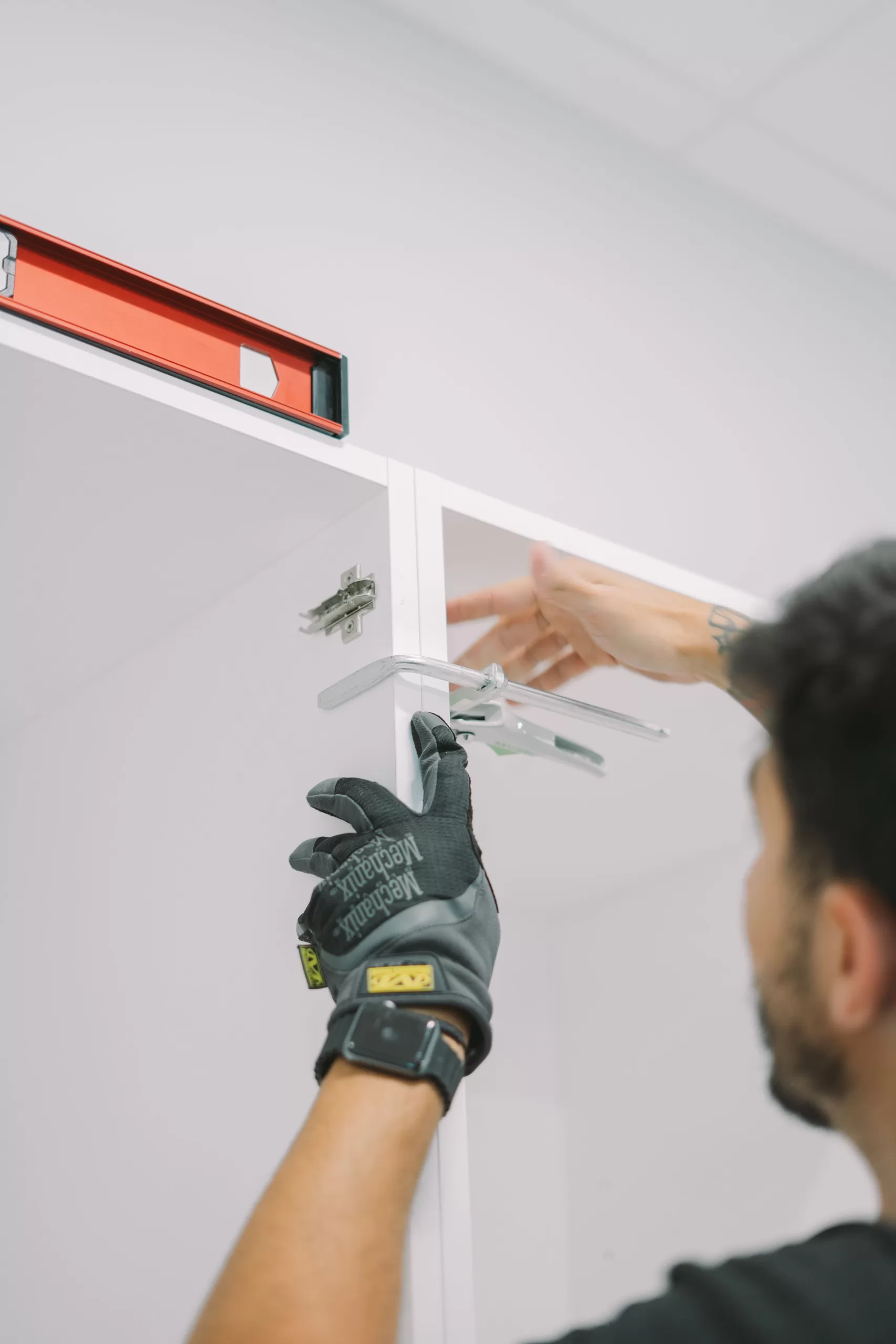
Sebior designs modern European-style cabinetry for homes across Chicago, the North Shore, and Milwaukee. Our process is built for real-world projects—meaning we plan the details that matter in condos: measurements, logistics, and precision installation.
Explore our kitchen cabinetry here: Custom Kitchen Cabinets. If you’re comparing styles and budgets, our four collections are a great place to start:
- New York Kitchen — smart layouts, premium plywood construction, integrated LED lighting
- Denver Kitchen — modern wood veneer for a warm, elevated high-rise look
- Chicago Collection — modern design with durable materials for an accessible investment level
- Boston Kitchen — premium custom craftsmanship for timeless luxury kitchens
Want help planning a high-rise kitchen remodel? Request a free consultation. We’ll guide you through layout, finish direction, and the building logistics that keep the project on schedule.
FAQ: Chicago high-rise kitchen remodels
Do I need HOA approval to remodel my condo kitchen?
Many buildings require approval for construction work, contractor insurance paperwork, and elevator reservations. Ask your property manager for the remodel packet early.
What cabinets work best in small high-rise kitchens?
Frameless cabinetry, full-height storage, and deep drawer bases are top performers because they maximize usable space and keep everything accessible.
Can I do a “full-height” kitchen in a condo?
Often yes, and it’s one of the best ways to increase storage—especially if you’re willing to use upper cabinets for seasonal or less-used items.
What causes delays in high-rise remodels?
Most delays come from building logistics (missed elevator reservations, incomplete COI paperwork, or delivery windows) and late appliance decisions.
How do I start the process with Sebior?
Use our form here: Contact Us. If you have building rules or a condo remodel packet, include it—so we can plan around it from day one.