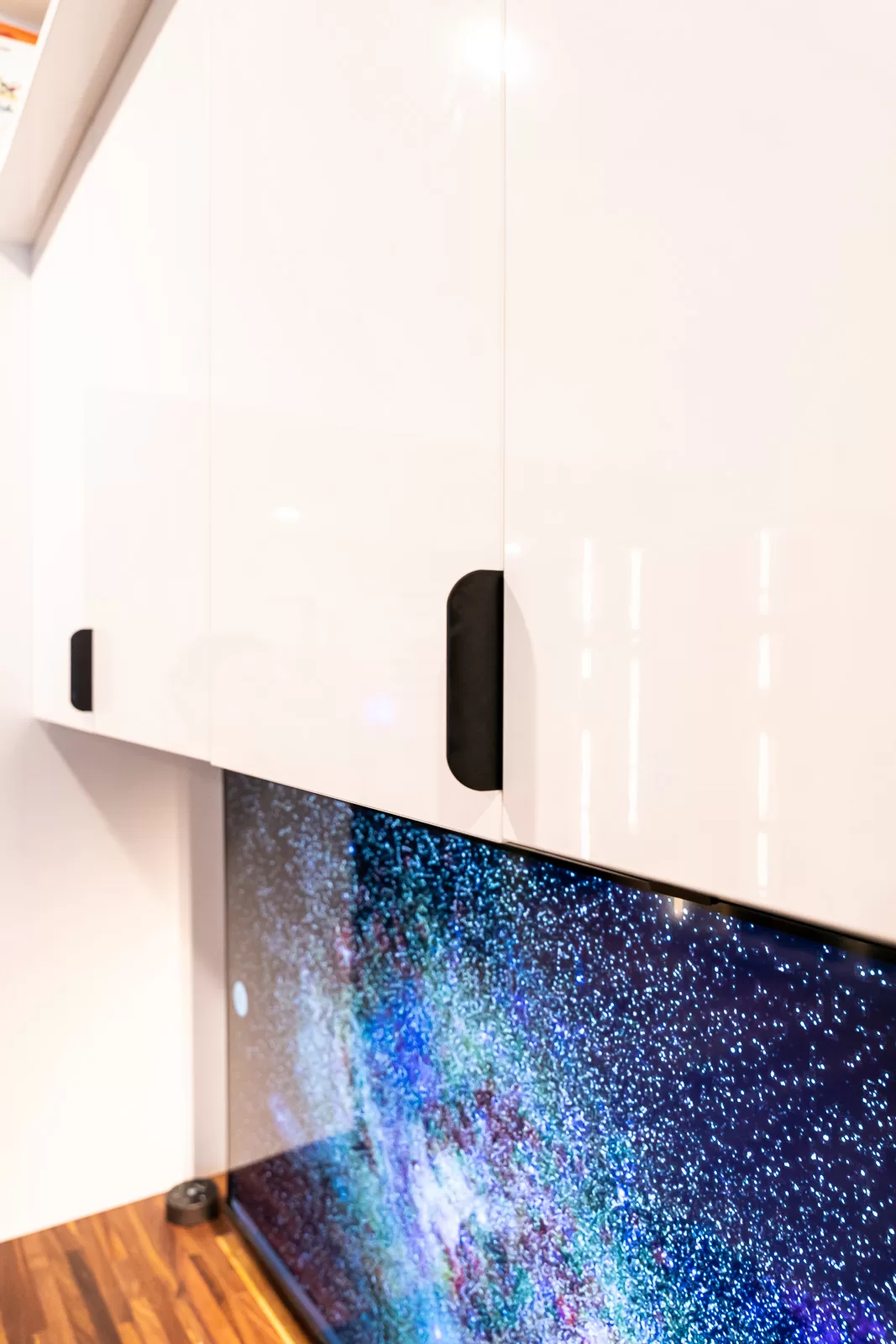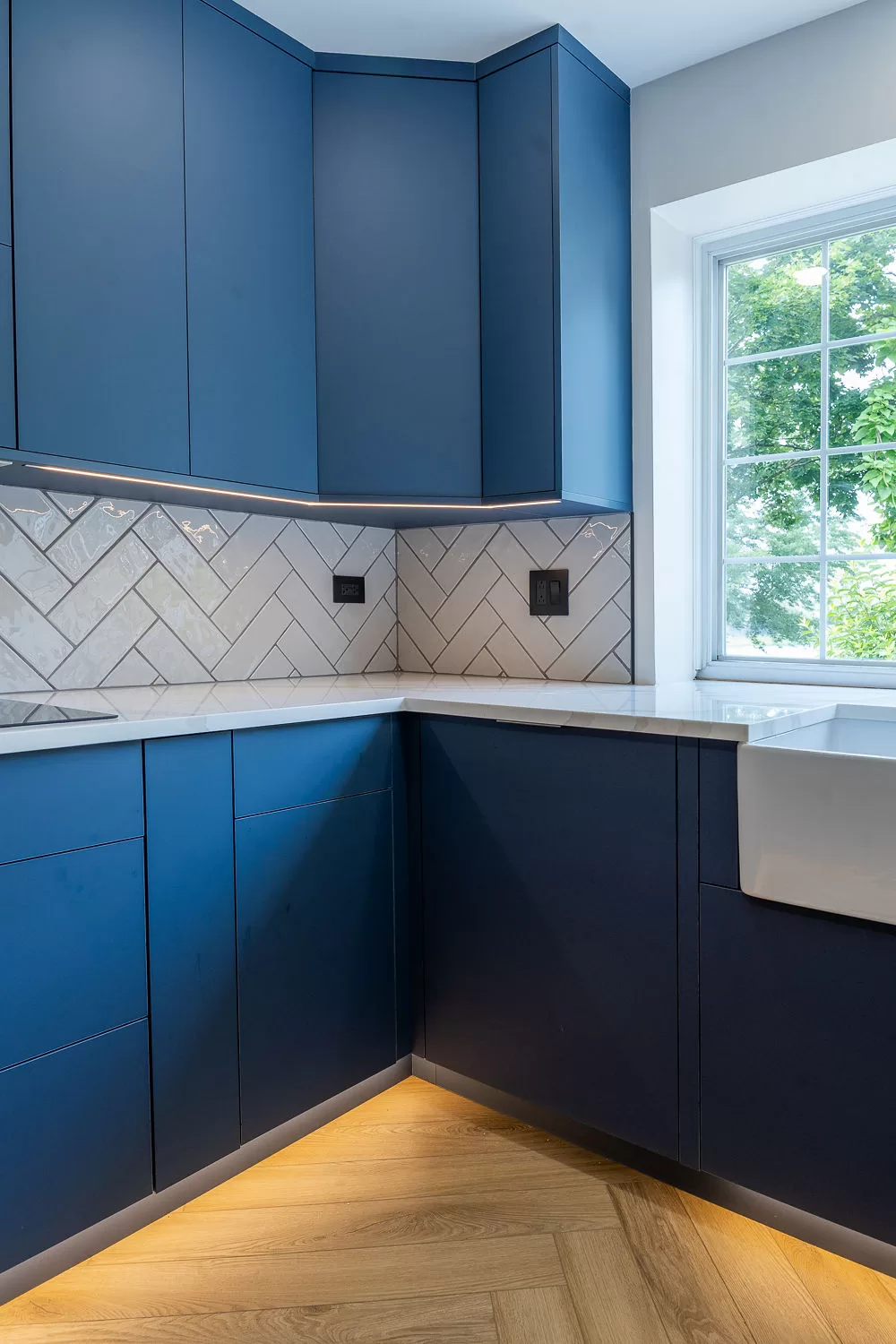
When you’re investing in a high-end kitchen (or whole-home cabinetry), choosing the right cabinet maker matters as much as the design itself. In Chicago, this decision is even more important because projects often fall into two very different realities: sleek high-rises with strict building rules, or large suburban homes where scale, ceiling height, and “whole-home consistency” matter.
Quick answer: The best cabinet maker is the one who can (1) show real installed work like yours, (2) explain materials and construction clearly, (3) provide detailed drawings before production, and (4) manage installation logistics—especially for Chicago condos and high-rises.
Key takeaways:
- Ask questions that reveal process + precision, not just style.
- High-end cabinetry is about alignment, finishes, hardware, and installation—not just door fronts.
- In Chicago, building logistics can make or break your timeline.
In this guide:
- What to decide before you call anyone
- 17 questions to ask a cabinet maker (copy/paste checklist)
- Red flags that usually lead to regrets
- High-rise + condo questions (Chicago-specific)
- What to bring to your design consultation
- Next steps with Sebior
- FAQ
Before you call: decide what you’re actually buying
Most “bad quotes” happen because the scope is unclear. Before you contact cabinet companies, decide:
- CABINETS only (design + build + install), or a FULL kitchen remodel (demo, electrical, countertops, backsplash, paint, etc.)?
- Are you remodeling a high-rise condo, older Chicago home, or newer suburban home?
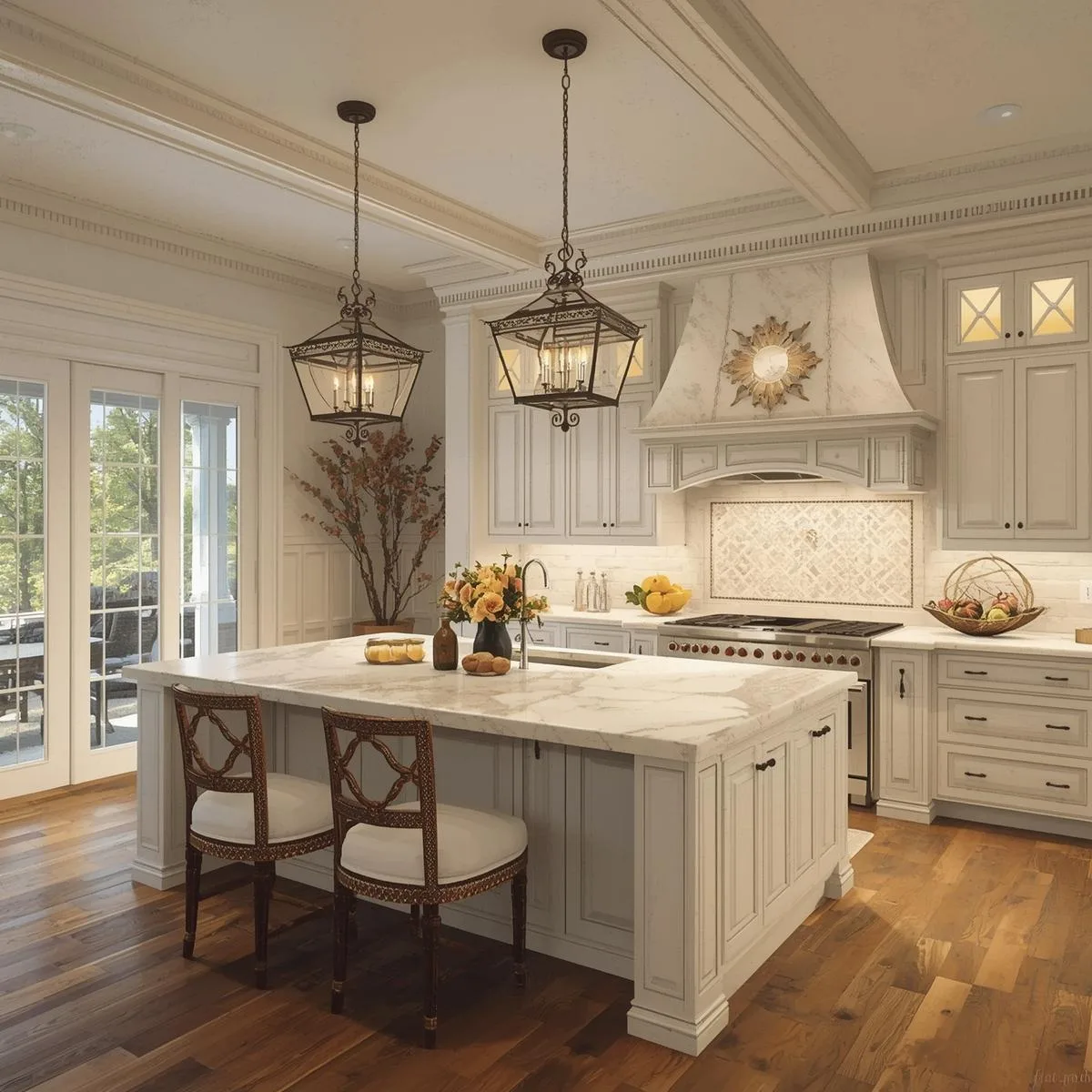
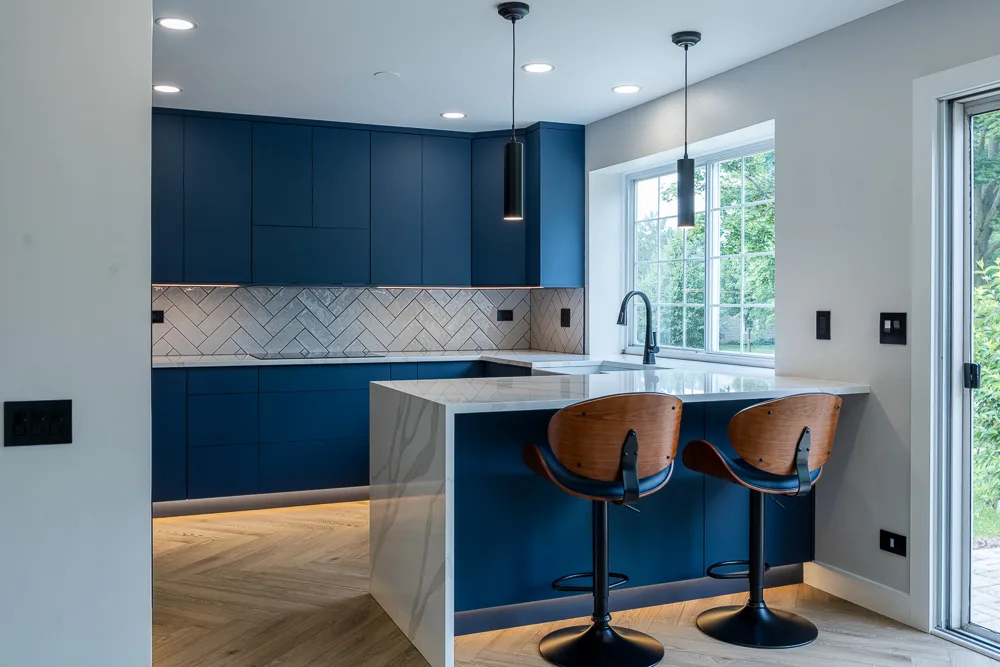
- Do you want a modern frameless (European-style) look, or a more classic framed/inset look?
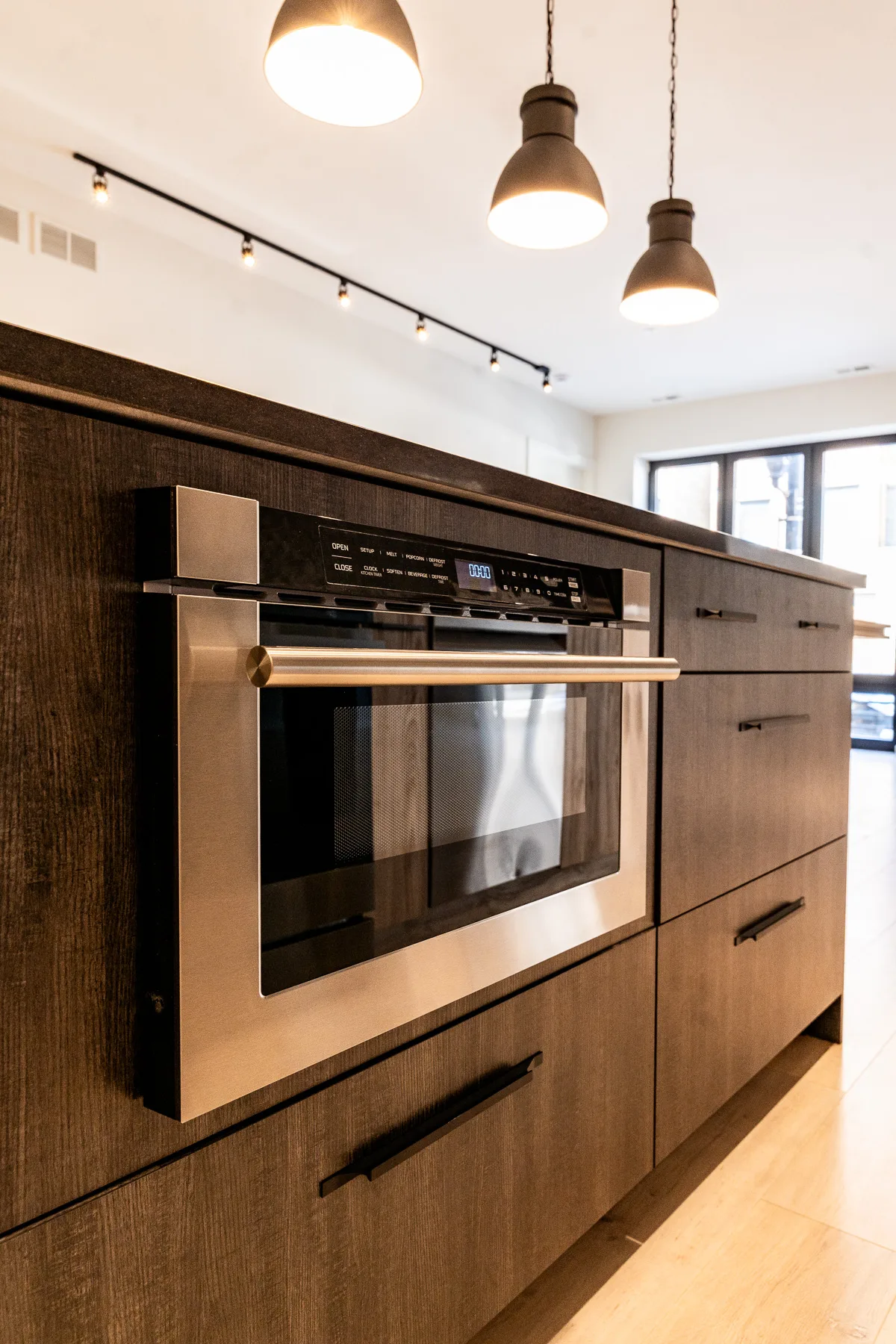
- Are you choosing panel-ready appliances (integrated look) or standard appliances?
If budgeting is your first step, start here: Custom Kitchen Cabinets Cost in Chicago (2026).
17 questions to ask a custom cabinet maker (Chicago + suburbs)
Copy/paste this section into your notes and use it on every call. You’ll quickly see who’s truly organized.
Design + planning
- Do you provide detailed shop drawings before production? (You want elevations, cabinet list, and clear dimensions.)
- Who is my point of contact? (Designer, project manager, installer?)
- How do you handle revisions? (How many rounds are typical before final sign-off?)
- How do you plan lighting, outlets, and appliance specs with cabinetry?
Construction + materials
- What are the cabinet boxes made of? (Plywood, engineered panels, thickness, back panel details.)
- What hardware system do you use? (Hinges, drawer boxes, soft-close, full-extension.)
- How are edges finished? (Edge banding type and durability matters more than most people realize.)
- What finish system do you use? (Paint, stain, matte, high-gloss—ask what holds up best in real kitchens.)
Installation + accountability
- Who installs the cabinets? In-house team or subcontractors?
- How do you handle out-of-plumb walls and uneven floors? (Common in older Chicago homes.)
- Do you coordinate with contractors? (Countertop templating, electrical timing, appliance delivery.)
- What’s your typical install timeline? (Days on site, plus how you handle punch list items.)
Scope clarity + change orders
- What’s included in your quote? (Design, install, delivery, hardware, lighting, organizers.)
- What’s not included? (Plumbing, electrical, countertops, permits, etc.)
- How do change orders work? (When do costs change, and how are they approved?)
Warranty + proof
- What is the warranty on cabinets, finish, and hardware?
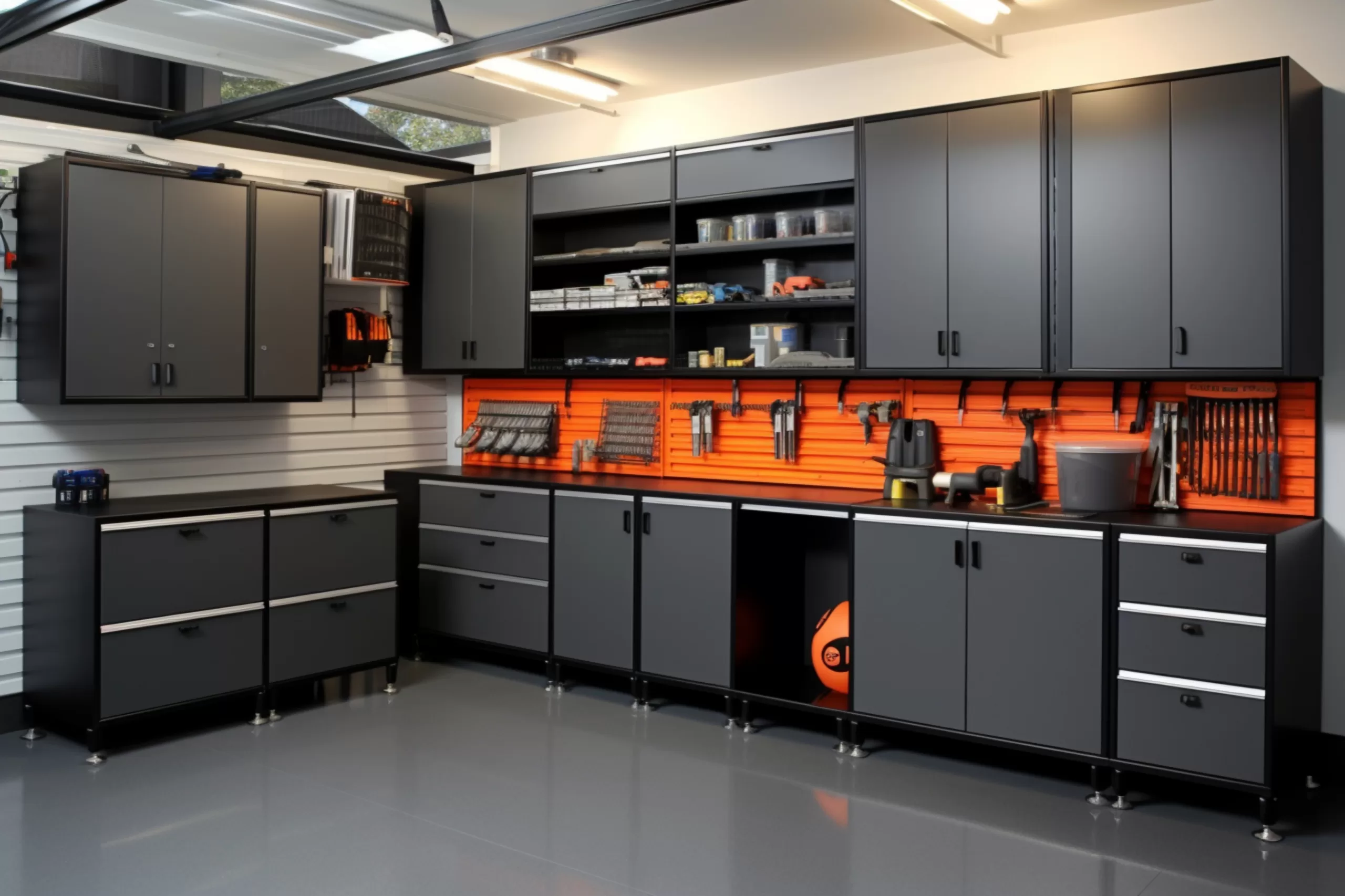
- Can I see projects like mine? (Condo kitchen, suburban kitchen, built-ins, garage.)
If you’re choosing a modern European look, this is worth reading before you pick a direction: The Hidden Genius of Frameless Cabinets.
Red flags that usually lead to regrets
- No drawings before production (or “we’ll figure it out on site”).
- Vague quotes without a clear cabinet list, scope, and assumptions.
- No installation plan (especially in condos/high-rises).
- No real portfolio or only “inspiration” photos that don’t match their work.
- Hard pressure on price before understanding your layout and goals.
- They can’t explain materials or the differences between box construction/hardware levels.
If you’re in a Chicago condo/high-rise: ask these too
High-rise kitchens fail when logistics are ignored. Ask:
- Do you handle COI paperwork and building requirements?
- Do you schedule deliveries around elevator reservations and delivery windows?
- How do you protect hallways/elevators and stage materials?
- Have you installed in high-rise environments before?
Use this guide before you finalize your cabinet order: Chicago High-Rise Kitchen Remodel Guide (2026).
What to bring to your consultation (to get a real quote faster)
- Photos of your current kitchen or space
- A rough sketch with measurements (or a floor plan)
- Your appliance list (or at least approximate sizes)
- 3–5 inspiration images (door style + finish direction)
- Timeline goals (planning / 3–6 months / 6–12 months)
If you want to explore Sebior’s cabinet lines first, start here: Custom Kitchen Cabinets.
Next steps with Sebior
Sebior designs and installs cabinetry for Chicago, the North Shore, and Milwaukee—ranging from modern frameless kitchens to full-height storage walls, built-ins, and garage cabinetry.
- Custom Cabinets in Chicago (overview + collections)
- New York Kitchen (modern + practical, premium plywood)
- Denver Kitchen (wood veneer modern)
- Boston Kitchen (premium craftsmanship, shaker/inset)
Ready to start? Request a design consultation and tell us whether your project is a condo/high-rise or a suburban home—so we can guide the process correctly from day one.
FAQ
Do I need a designer before I hire a cabinet maker?
Not always. Many clients start with a cabinet design consult, then coordinate with a contractor or designer depending on the scope.
What’s the biggest mistake homeowners make?
Choosing cabinetry based on door style alone, without confirming construction details, installation plan, and coordination with appliances and lighting.
Is custom cabinetry worth it in a condo?
Often yes—because tight spaces benefit most from precise sizing, smarter storage, and seamless appliance integration.