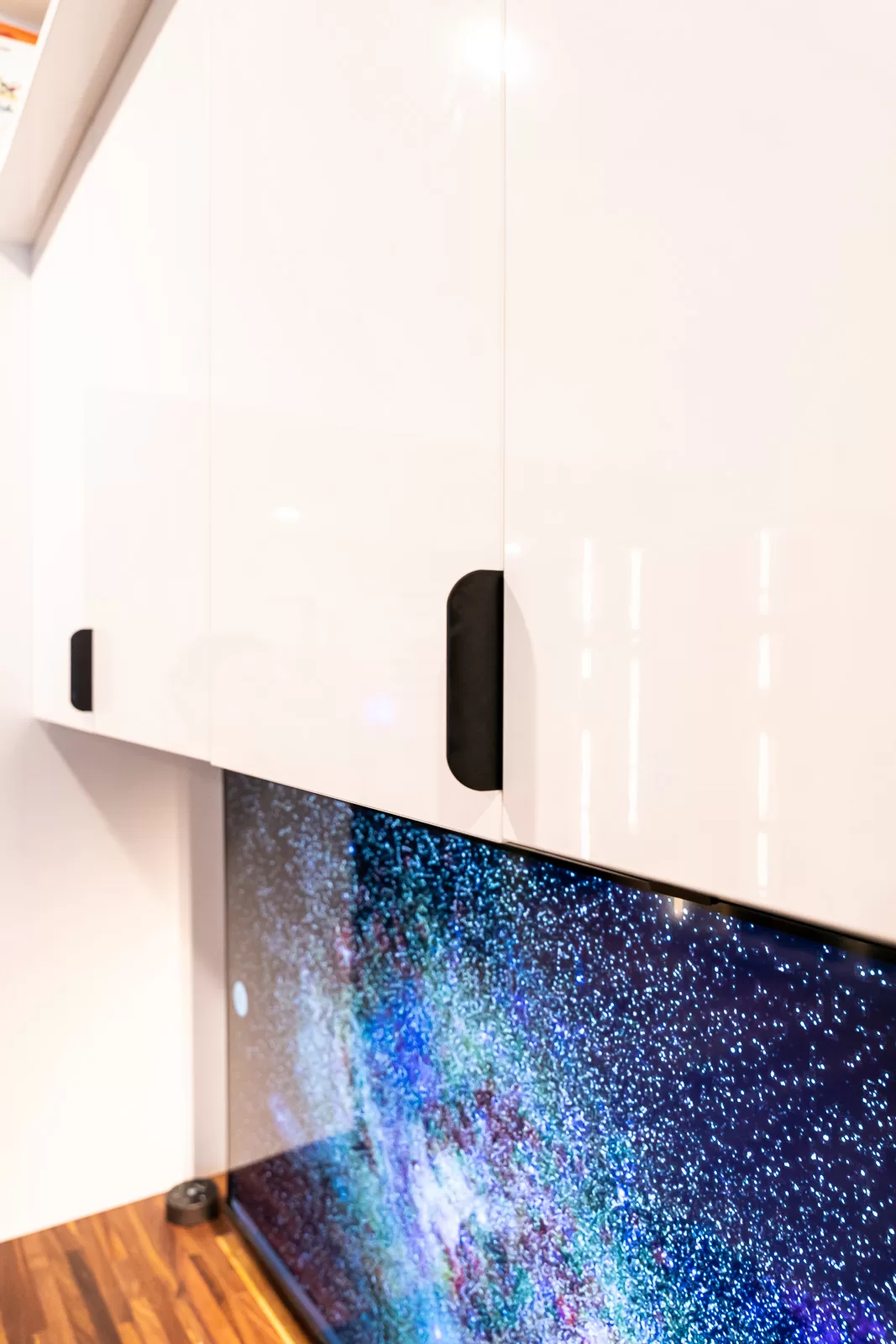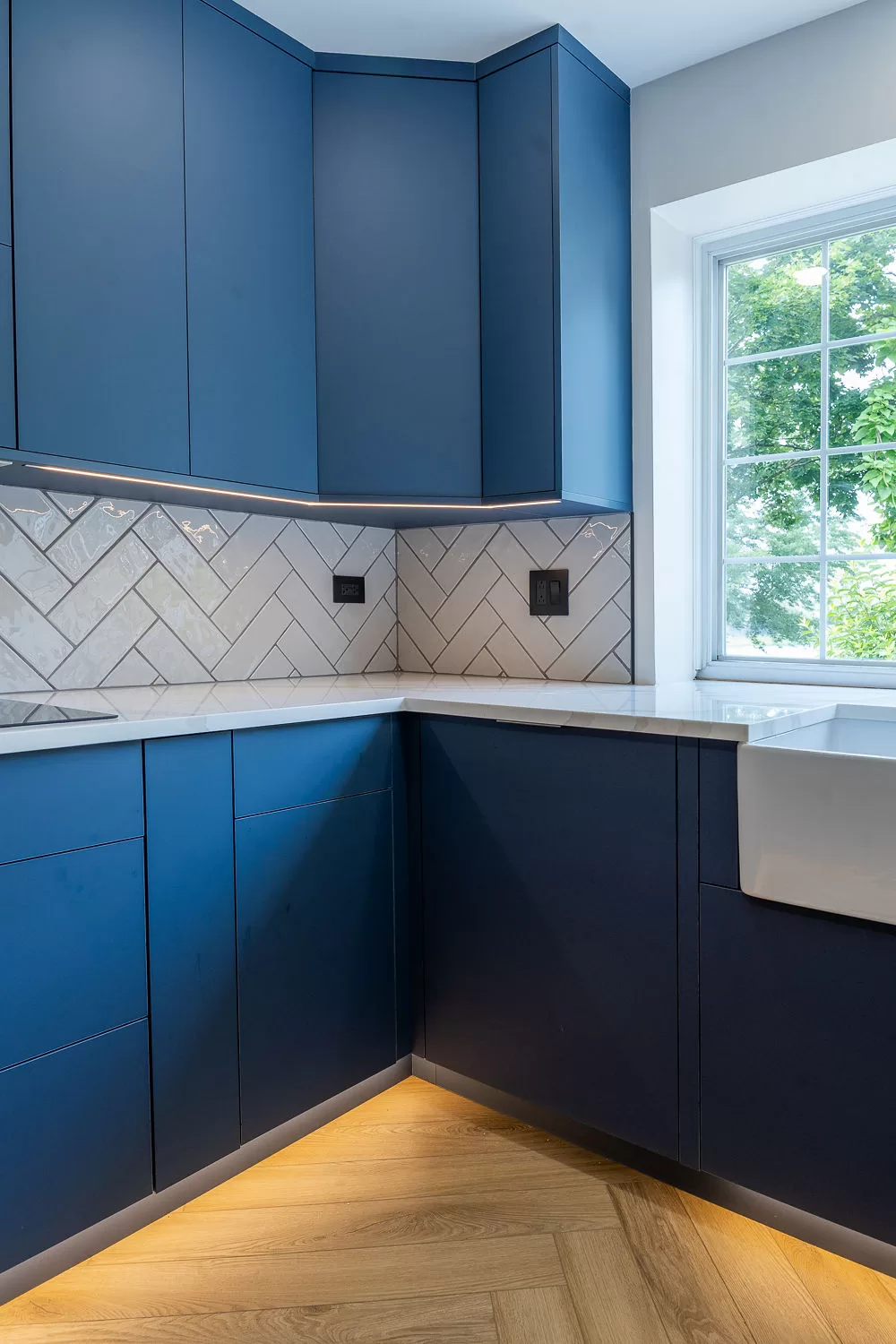
Custom built-ins are one of the fastest ways to make a home feel more expensive—because they look architectural, intentional, and “always meant to be there.” In Chicago, that matters in two very different settings: sleek high-rise condos (where storage is limited) and large suburban homes (where you want every room to feel finished).
Quick answer: The best built-ins solve a daily problem (drop zones, clutter, media storage, office organization) while matching the rest of your home’s finishes. National cost guides often quote built-in cabinetry around $200–$600 per linear foot and built-in bookshelves around $300–$850 per linear foot installed, but final pricing depends on materials, lighting, doors vs. open shelving, and how “architectural” the trim/details are.
This guide covers the built-in projects that consistently get the best reactions (and the best daily use), plus how to budget and plan without overbuilding.
In this guide:
- 7 built-in ideas that work in Chicago homes
- Built-in cost ranges (what drives price)
- Design details that make built-ins feel high-end
- 2026 built-in design direction
- Built-ins by Sebior: bookshelves, mudrooms, closets
- FAQ
7 built-in ideas that work in Chicago homes
1) Mudroom “drop zone” built-ins (entryway storage)
In the Midwest, mudroom storage isn’t optional—it’s how you keep the rest of the home clean. A great drop zone includes:
- Tall cabinets for coats + seasonal gear
- An integrated bench (with hidden storage below)
- Open cubbies for backpacks and grab-and-go items
- Easy-clean finishes that handle real life
See Sebior’s Mudroom Solutions.
2) Living room media wall + concealed storage
A media wall should hide the messy stuff (routers, remotes, game consoles) while displaying the good stuff (art, books, objects). High-end touches:
- Ventilated compartments for electronics
- Integrated LED shelf lighting
- Closed lower cabinets to keep the room calm
3) Home office built-ins (the “Zoom wall”)
Chicago clients are treating offices like primary rooms now—especially in condos where the office is visible from the main space. Consider:
- Upper cabinets or shelves for books + display
- Lower drawers for paper, tech, and storage
- Wire management built in from the start
Explore: Office Cabinetry Solutions.
4) Kitchen pantry wall or “back kitchen” moment
Even if you don’t have a full butler’s pantry, a tall pantry wall can hide small appliances and keep counters clear. This is especially valuable in open layouts.
Related: Floor-to-Ceiling Cabinets and Custom Kitchen Cabinets.
If you’re remodeling the kitchen at the same time, start with budgeting: Custom Kitchen Cabinets Cost in Chicago (2026).
5) Dining room credenza / bar built-in
A built-in bar is a high-impact project because it’s both functional and visual. Consider integrated wine storage, soft-close drawers, and lighting that makes glassware glow.
6) Bedroom wardrobe upgrades + closet built-ins
For high-rise owners, closet systems often matter more than “extra rooms.” The goal is to reduce visual clutter and make daily routines easier.
See: Closets Solutions.
7) Library walls + custom bookshelves
Bookshelves can be minimal and modern or warm and traditional—but either way, they instantly elevate a room when they’re built correctly.
See: Bookshelves Solutions.
Built-in cost ranges (and what drives price)
Built-ins are usually priced by the linear foot (length along the wall) and the complexity of the design.
| Built-in type | Typical cost range (installed) | What changes the price most |
|---|---|---|
| Built-in cabinets (general) | Often ~ $200–$600 per linear ft (national ranges) | Door style/finish, drawers vs. doors, trim + panels |
| Built-in bookshelves | Often ~ $300–$850 per linear ft installed (national ranges) | Paint vs. veneer, closed base cabinets, lighting, height |
| Full wall unit / entertainment center | Commonly $5K–$15K+ (wide range) | Custom millwork details, ventilation, lighting, materials |
Source note: These ranges are drawn from national cost references such as Angi’s built-in cabinet cost guide, HomeGuide’s built-in bookshelf cost guide, and Fixr’s built-in shelving cost guide. Chicago pricing varies by finish level and installation conditions (especially condos).
What makes a built-in “feel expensive” (and cost more)?
- Full-height designs with crown/ceiling integration
- Flush alignment with consistent reveals between doors/drawers
- Integrated lighting (not plug-in puck lights)
- Premium hardware (soft-close drawers that feel solid, not flimsy)
- True custom sizing (no awkward filler gaps)
Design details that make built-ins look architectural
If you want built-ins that look like they were part of the original architecture, focus on these details:
- Consistent reveals: the spacing between doors/drawers should be uniform.
- Scribed fillers: especially in older Chicago homes where walls aren’t perfectly straight.
- Closed base cabinets: for anything that can look messy (toys, cables, paper, pet supplies).
- Lighting plan: shelf lighting, toe-kick lighting, or interior cabinet lighting where appropriate.
- Power + cable management: plan outlets and pass-throughs early.
- Material transitions: if you mix wood + paint, do it intentionally (e.g., wood lowers, painted uppers).
If you love “hidden” features, you’ll also like: Kick Drawers (Hidden Storage).
2026 built-in design direction
Built-ins are trending toward calm, warm, and tactile rather than glossy and loud. Going into 2026, we’re seeing:
- Warm woods + lighter stains paired with soft whites and matte neutrals
- Textured fronts (reeded/fluted details, subtle grain, tactile finishes)
- Hidden tech (charging drawers, concealed routers, clean cable paths)
- Whole-home finish matching (kitchen + built-ins share the same design language)
Trend research supports this shift toward organic/natural and timeless styles. The NKBA/KBIS 2026 Kitchen Trends Report highlights strong momentum for organic/natural and contemporary/minimal looks alongside timeless design—exactly the mix built-ins are moving toward.
Built-ins by Sebior: bookshelves, mudrooms, closets (and more)
Sebior designs cabinetry beyond kitchens—so your whole home can feel consistent, organized, and elevated. Explore our built-in solutions:
- Bookshelves Solutions (libraries, living rooms, reading corners)
- Mudroom Solutions (entryways, benches, drop zones)
- Closets Solutions (wardrobes, walk-ins, storage upgrades)
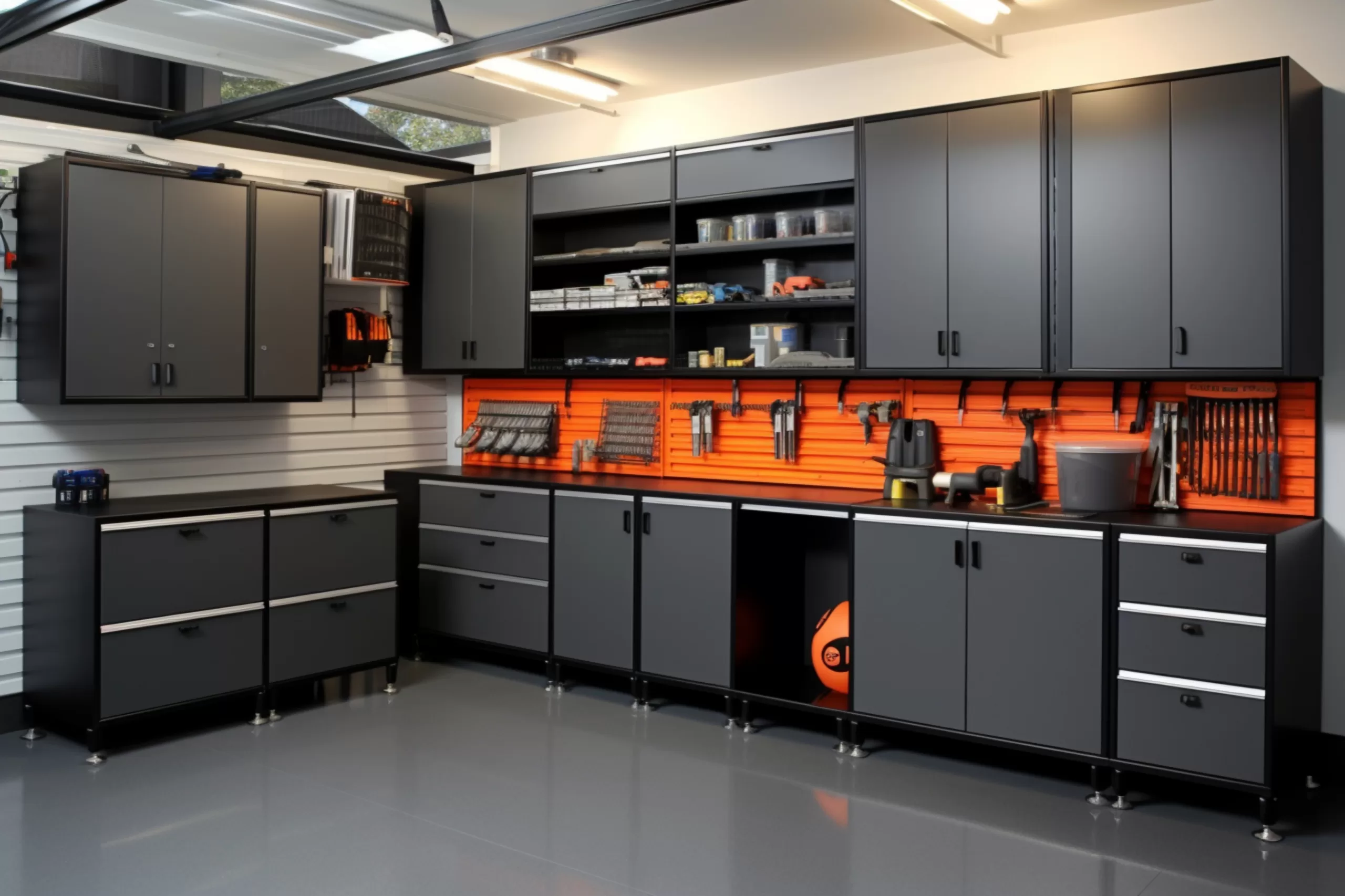
- Garage Cabinetry (yes—your garage can look like part of the house)
Want a built-in design that matches your home? Request a free consultation and tell us which room you want to upgrade first. We’ll help you plan the layout, finish direction, and the details that make it feel truly custom.
FAQ: Custom built-ins in Chicago
Are built-ins worth it for resale?
Well-designed built-ins can improve daily livability and create a “finished home” feel that buyers notice. The best ROI comes from solving real storage needs (mudroom drop zones, closet systems, pantry walls) rather than purely decorative shelving.
What’s the difference between “built-in” and “freestanding” furniture?
Built-ins are designed to fit your exact wall and are installed as part of the architecture (trimmed, leveled, scribed, and finished). Freestanding furniture is movable and typically leaves gaps that collect clutter and dust.
How do I keep built-ins from looking dated?
Choose simple door profiles, high-quality hardware, and a warm/neutral finish palette. Avoid overly trendy shapes unless they’re used as small accents.
Can you match built-ins to my kitchen cabinets?
Yes—matching or coordinating finishes across rooms is one of the best ways to make the whole home feel cohesive. Start with your kitchen direction here: Kitchen Cabinets.
How do I start the process?
Reach out here: Contact Sebior. Share photos of the space and a few inspiration images, and we’ll take it from there.