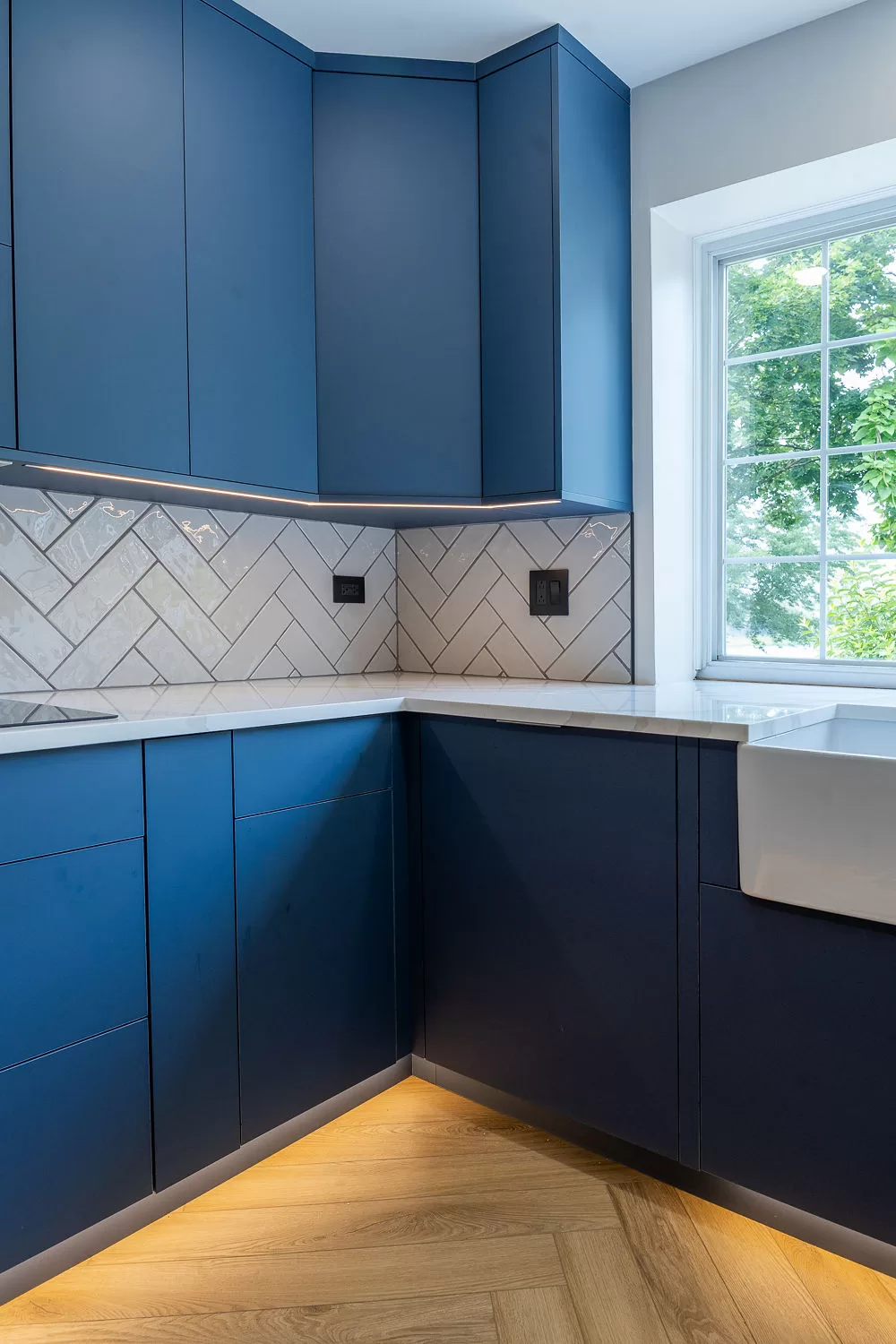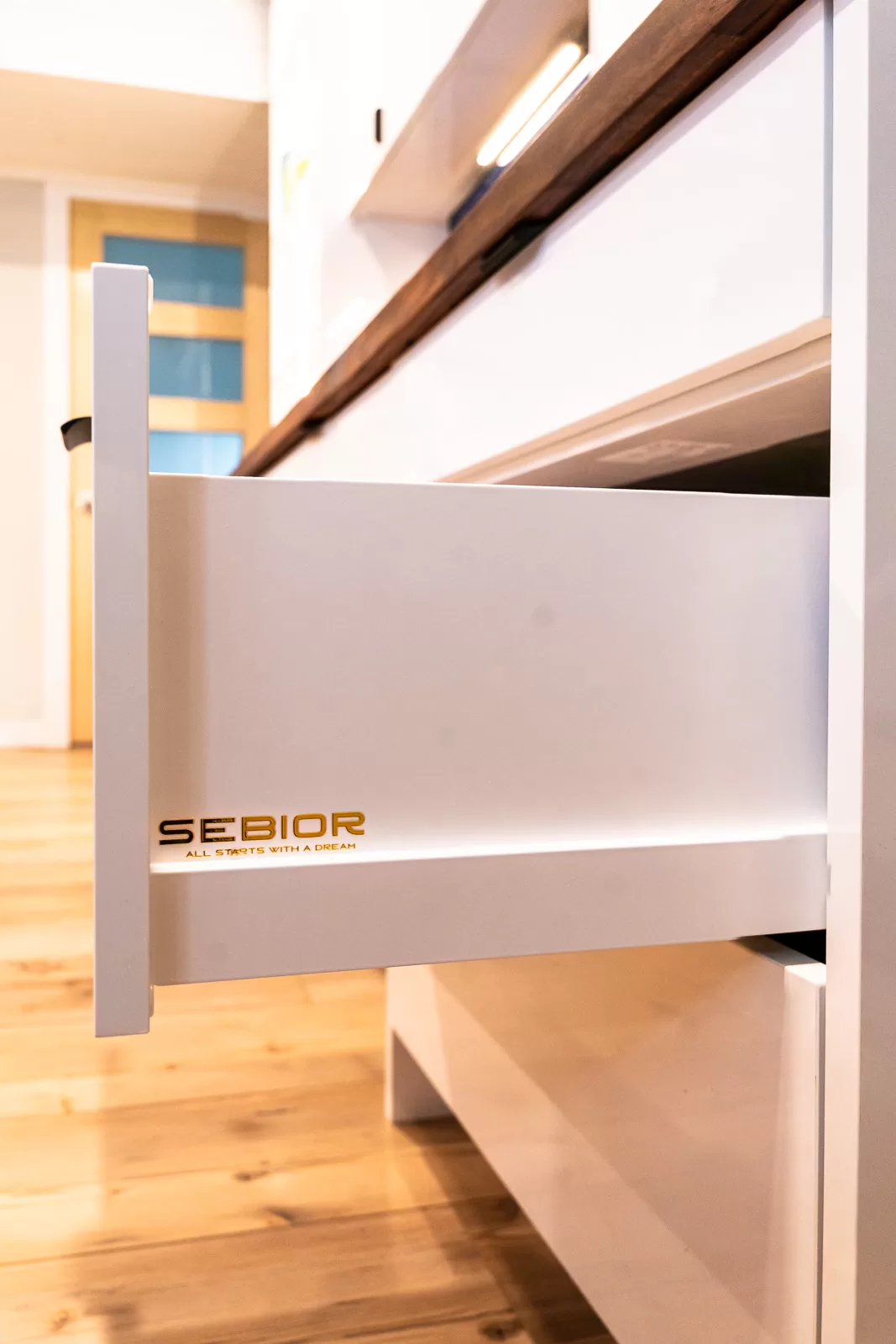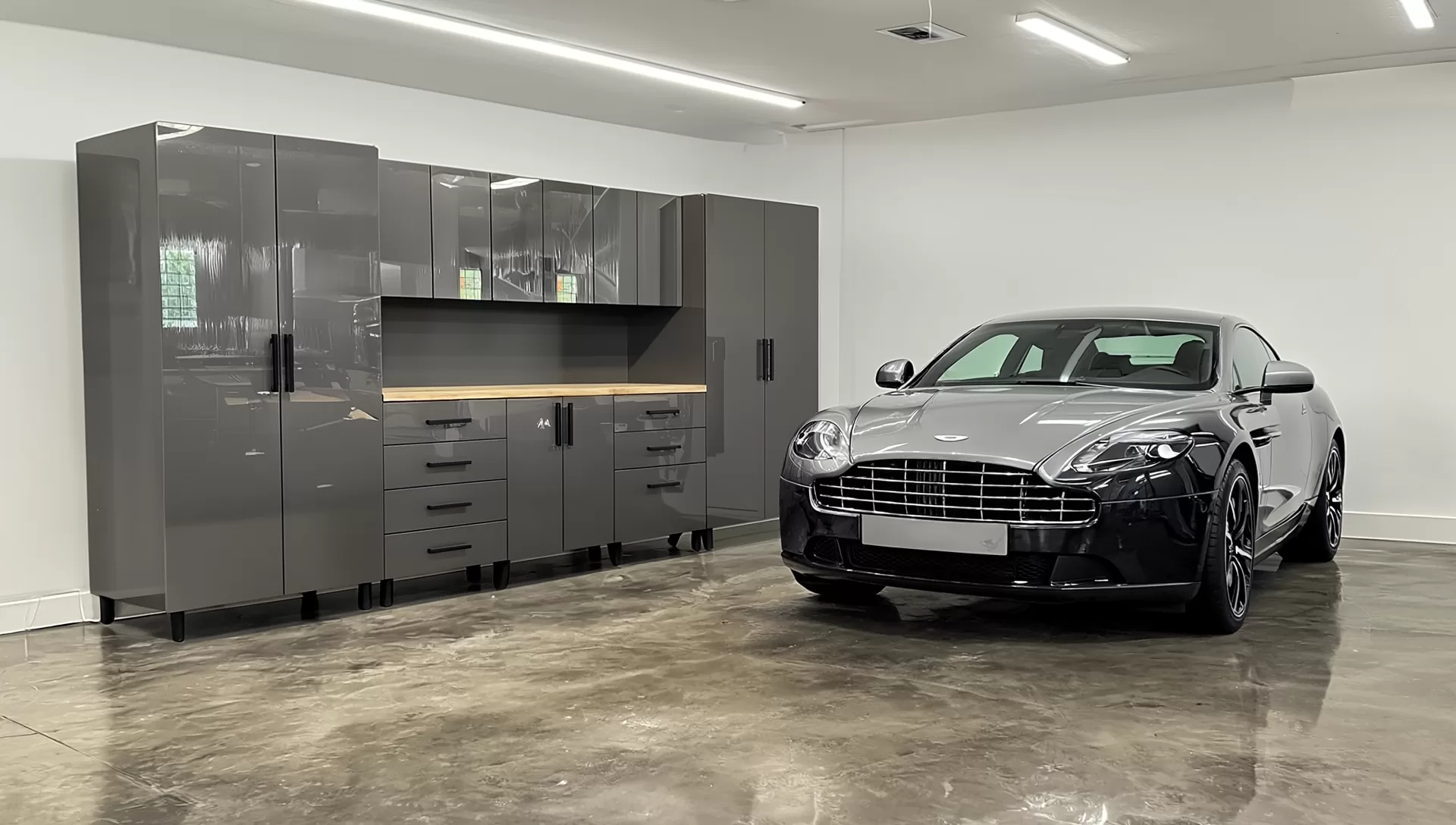
“Are your cabinet boxes plywood?” is one of the most common questions in kitchen remodeling—and it’s a good question. But the better question is:
“Which cabinet box material performs best for my home, my lifestyle, and my finish level?”
Quick answer: Plywood, particleboard, and MDF can all perform well in real kitchens when they’re engineered correctly. The biggest performance differences come from panel thickness, edge sealing/edgebanding, back construction, hardware, and installation precision—especially in Chicago’s older homes and high-rise condos.
Key takeaways:
- Plywood is strong and stable, but quality varies a lot by grade and thickness.
- Particleboard can be extremely stable and cost-effective when properly sealed and engineered.
- MDF shines for painted doors and smooth finishes, but it has specific best-use cases.
In this guide:
- Material comparison table
- What matters more than the label
- Chicago-specific considerations (condos + older homes)
- How to choose the right material for your project
- How Sebior approaches cabinet construction across collections
- FAQ
Plywood vs particleboard vs MDF: quick comparison
| Material | Best at | Watch-outs | Great for |
|---|---|---|---|
| Plywood | Strength-to-weight, screw holding, durability | Quality varies by grade; can warp if low-grade or improperly stored | Premium kitchens, full-height pantry walls, heavy-use drawers |
| Particleboard | Dimensional stability, smooth panels, consistency | Moisture exposure is the enemy if edges aren’t sealed well | Modern cabinet boxes with strong edgebanding; value-focused luxury |
| MDF | Ultra-smooth surfaces, painted finishes, stability | Heavy; not ideal for wet zones if not protected; edges need finishing | Paint-grade doors, panels, decorative elements, specific cabinet components |
What matters more than the material label
Two cabinet boxes can both be “plywood,” but perform very differently. Here’s what actually changes real-world performance:
- Thickness: 18mm/¾” boxes generally feel more solid than thinner panels.
- Back panel construction: full backs vs thin stapled backs can change cabinet rigidity.
- Edgebanding quality: this is where moisture and wear show up first (especially near sinks and dishwashers).
- Hardware system: soft-close is baseline; premium hinges and drawer systems change daily feel.
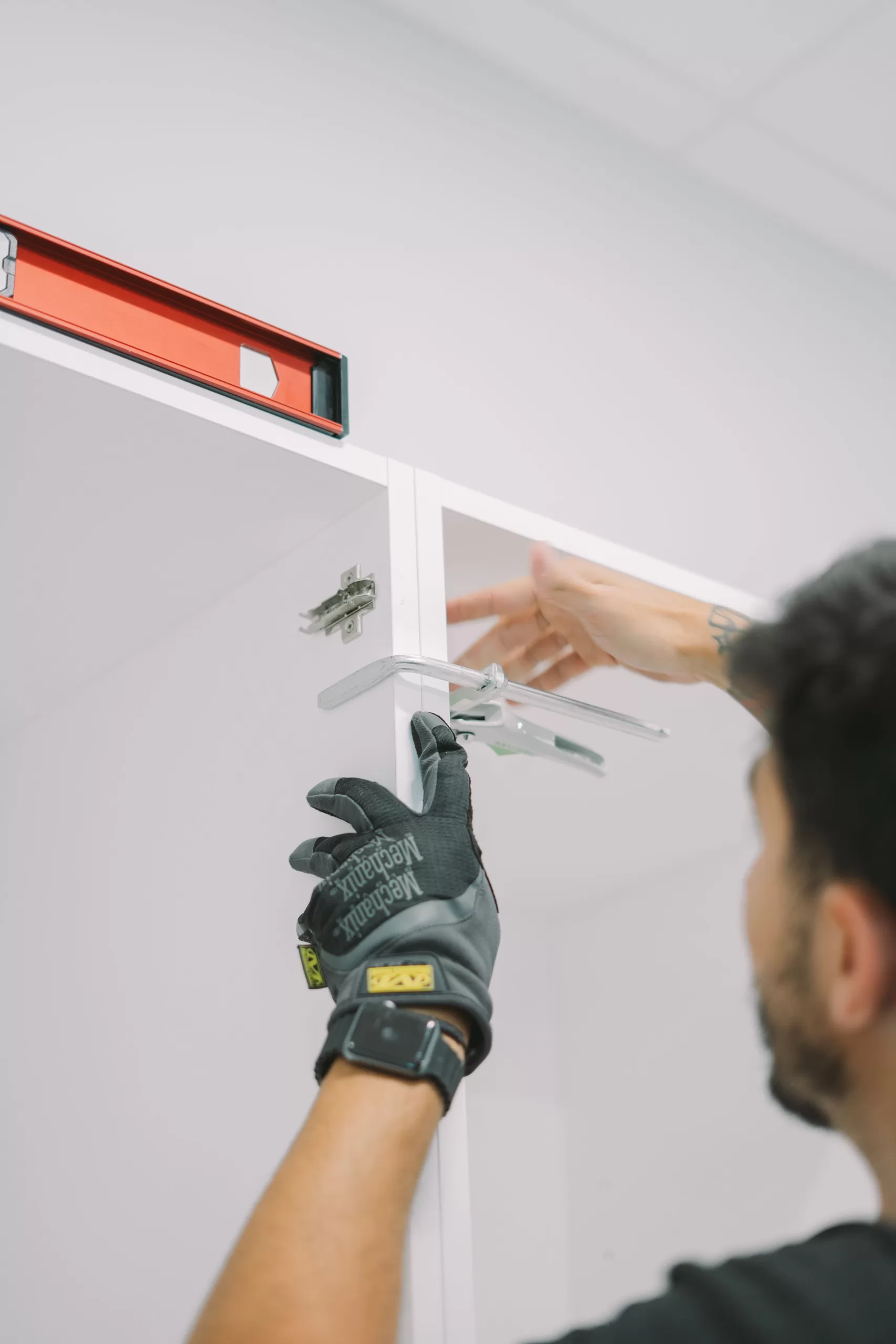
- Installation precision: even “luxury boxes” look cheap if reveals are inconsistent.
If you love clean modern kitchens, you’ll also want to understand frameless construction: The Hidden Genius of Frameless Cabinets.
Chicago-specific considerations
1) Older homes: walls are rarely perfect
In bungalows, greystones, and older suburban homes, walls and floors are often out of level. That’s normal—but it means cabinet design and installation need to account for it so doors align and panels sit cleanly.
2) Condos/high-rises: tight spaces expose every mistake
In a high-rise kitchen, the difference between “fine” and “premium” is often precision. Full-height cabinets, panel-ready appliances, and integrated lighting require careful planning. Start here if you’re in a condo: Chicago High-Rise Kitchen Remodel Guide (2026).
3) Wet zones: sealing and planning matter
Near sinks, dishwashers, and trash pull-outs, material matters less than smart detailing: sealed edges, good ventilation, and cabinetry designed to avoid water sitting against panels.
How to choose the right cabinet box material for your project
Use this simple decision path:
- If you want the most premium “feel” and maximum durability for heavy-use drawers and full-height pantries, plywood is often a great fit.
- If you want a high-end modern look with excellent stability and a smart investment level, engineered panels can perform extremely well—especially with strong edgebanding and quality hardware.
- If your finish direction is painted and ultra-smooth, MDF can be a smart choice for door fronts and decorative panels (when protected and properly finished).
Budgeting next? This post breaks down the real drivers: Custom Kitchen Cabinets Cost in Chicago (2026).
How Sebior approaches cabinet construction across collections
Sebior offers multiple collections because different clients prioritize different things: premium materials, wood veneers, or a smarter investment level with durable performance. The best next step is to explore collections and choose based on your goals:
- Boston Kitchen — premium craftsmanship and premium plywood construction with shaker/inset options.
- New York Kitchen — modern design with premium plywood construction and integrated lighting.
- Denver Kitchen — wood veneer focus with strong engineered construction designed for modern aesthetics.
- Chicago Collection — modern designs with durable construction engineered for long-term use.
Want help choosing the right construction level? Request a design consultation and tell us your home type (high-rise vs suburban) and your finish direction. We’ll guide you toward the right spec—not just the trendiest label.
FAQ
Is particleboard “bad” for cabinets?
Not inherently. Performance depends on engineering, sealing, edgebanding quality, and the hardware system—plus how well the kitchen is installed and protected from moisture.
Is plywood always better?
Not always. Plywood quality varies widely. A well-engineered system with premium hardware and strong sealing can outperform low-grade plywood.
What matters most for luxury kitchens?
Consistency: clean reveals, durable finish systems, premium drawer/hinge hardware, integrated lighting, and precision installation.